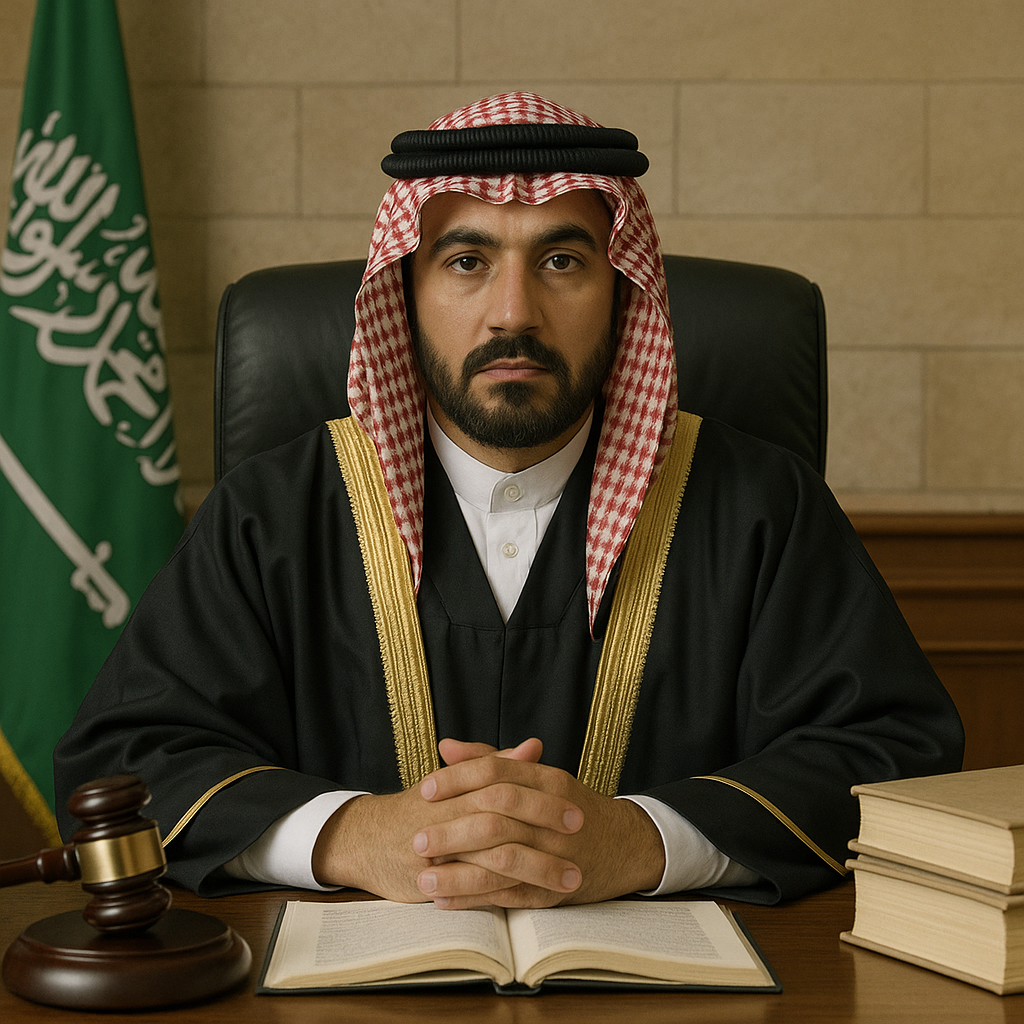
RIYADH, Saudi Arabia — August 5, 2025. Saudi Arabia has executed 17 people over just three days, pushing its use of the death penalty to new highs and raising concerns from international human rights groups.
Between August 2 and August 4, Saudi authorities executed a total of 17 individuals. According to the official Saudi Press Agency (SPA), 15 of those executed on August 2 and 3 were convicted of drug-related offences, primarily smuggling hashish and cocaine. On August 4, two more prisoners, both Saudi citizens, were put to death for offences classified as “terrorist crimes”.
Human rights organizations, including Amnesty International, sharply criticized what they call a “horrifying trend” in the execution of both citizens and foreign nationals for drug-related charges, offences that rarely warrant death sentences under international law.
So far in 2025, Saudi Arabia has carried out 239 executions, compared to 345 in all of 2024, the highest on record since the early 1990s. In 2024, about 35% of executions were for drug offences, and many involved foreign nationals, primarily from countries such as Egypt, Ethiopia, Pakistan, Jordan, Nigeria, Somalia and Syria.
The surge in executions is often linked to a “war on drugs” campaign launched by the Saudi government in 2023. According to rights groups and media reports, many of the recent executions stem from drug arrests that began years ago and are only concluding now through capital punishment.
Saudi officials maintain that death sentences are only applied after all legal appeals are exhausted and argue that executions are necessary to maintain security and deter drug trafficking. However, critics argue that trials in many cases fall short of international standards, with allegations of coerced confessions, inadequate legal representation and lack of transparency, especially for foreign nationals who often face language and cultural barriers.
An Amnesty International report released in July 2025 highlighted troubling details: of the 597 people executed for drug offences between 2014 and mid‑2025, almost 75% were foreign nationals, many with limited access to legal support. Families described being notified of executions only hours before they were carried out, and in all recorded cases, authorities withheld the bodies, denying families the right to perform proper funerals.
The international community is now calling for urgent reform. Amnesty International’s Kristine Beckerle warned: “We are witnessing a truly horrifying trend, with foreign nationals being put to death at a startling rate for crimes that should never carry the death penalty.” The organization urges Saudi Arabia to immediately introduce a moratorium on executions, commute existing death sentences, and revise laws to end the death penalty, starting with drug‑related crimes.
Despite these calls, Saudi Arabia shows no signs of slowing its use of capital punishment. Human rights advocates say the kingdom’s escalating execution rate undermines the image of reform under Crown Prince Mohammed bin Salman’s Vision 2030 initiative, a vision aiming to modernize the country and open it to international investment and tourism

