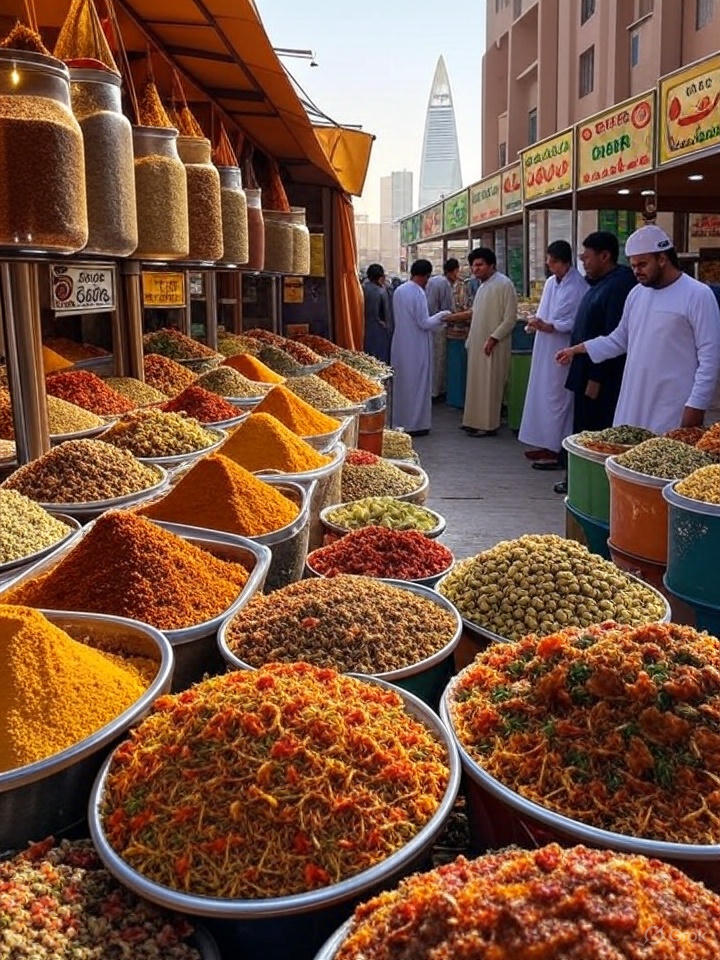
Let’s begin with the obvious: whenever people move, they bring their food with them. In the case of Indian cuisine in Saudi Arabia, that’s been a large, persistent migration over the past 50-60 years. As of 2025, there are about 2.65 million Indians working in Saudi Arabia. Hindustan Times
Even in 2022, the census showed nearly 1.88 million non-Saudi citizens of Indian origin in Saudi, making Indians among the biggest expat groups in the Kingdom. Argaam
So that’s your “demand” side: millions of people missing the spices, the breads, the masalas. On the supply side: entrepreneurs, cooks, hotels, chains realized this was also a business waiting to happen.
If you think Indian cuisine came only in the 20th century, think again. India and Arabia have been trading for millennia, spices, rice, textiles, culture. The Red Sea, the Indian Ocean, ports like Jeddah all saw boats and caravans carrying Indian pepper, cardamom, rice, coconut, and more. These early contacts meant that some Indian spices and cooking methods were already familiar (or adapted) in Arab cooking.
Also, pilgrimages (Hajj and Umrah) have always brought thousands of Indians to the holy cities. And what do pilgrims want? Familiar tastes. So over centuries, food preparations needed to (and did) include Indian-style rice dishes, breads and condiments to serve Indian pilgrims. That set up cultural familiarity, even before large scale migration.
The real acceleration happened after oil was discovered and Saudi Arabia’s economy boomed, especially in the 1960s and 1970s. The Kingdom needed massive infrastructure, roads, cities, oil infrastructure, and Indian laborers, engineers, cooks, support staff poured in.
These migrants brought home-style food: dhal, biryani, tandoori, South Indian dosa, idli, etc. In workers’ camps, small eateries, mess halls and Indian canteens, they cooked what they knew because that was their comfort food. Over time, these foods began to reach the broader population, and the demand grew beyond the Indian community.
As the Indian population grew and as Saudis traveled, tasted, and became more curious about foreign cuisines, Indian cuisine travelled far and wide in Saudi and more formal Indian restaurants started opening.
In 2017, Zafran Indian Bistro opened its first outlet in Riyadh. It markets “North-west Indian classics,” fancy spices and presentation. Zawya+1
More recently, in 2025, Peacock Restaurant, a well-known Hyderabadi eatery from Karimnagar (India), opened its first international branch in Riyadh’s Malaz area. Authentic Hyderabadi biryani, kebabs, etc. Hyderabad Talks+1
Also smaller restaurants like Zaika serve Hijazi recipes flavored by “ancient Indian spices”, a kind of cross-culture experiment that is both old and new. saudigazette
This progression from migrant canteens → casual Indian restaurants → upscale/fusion and authentic outlets is typical wherever large Indian diaspora communities exist.
Here’s where things get interesting (and funny, if you like noting the little twists):
Every dish has to be halal. No discussions, no substitutions. So meats are certified, no pork, etc. Cooks adapt.
Spice levels get calibrated. The Indian in the worker-camp wants painful heat; the average Saudi diner may prefer “flavour with a kick, not full-fire.” So menus often list “mild,” “medium,” “hot.”
Ingredients: some Indian ingredients are hard to get in Saudi, or expensive. So turmeric, garam masala, rice types, lentils, etc sometimes get substituted or imported. Sometimes they find local alternatives.
Fusion: you’ll find “Indian-style breads” served with Arabic stews, or Indian gravies served with a side of khobz, or biryanis with local herbs. Some restaurants even market Indian food with Arabic descriptors (“spiced,” “mahshi,” etc.) so Saudis feel familiar with it.
Also “surprise” moment: Indian eateries are not just for Indians any more. Saudis (especially younger ones) are ordering biryani for date nights. Instagram influencers love the Instagrammable plating of Indian fine-dining restaurants. It’s no longer just the smell from the worker’s mess hall, it’s part of the mainstream foodscape.
Food means more than calories. For the Indian expat in Riyadh or Jeddah:
A bowl of properly made fish curry from Kerala, or Hyderabadi biryani with its fragrant basmati, saffron, ghee, is not just an Indian cuisine, it’s home.
Sharing a thali with friends from back home or organizing festivals (Diwali, Eid, Onam) where food is central builds community.
On Saudi side:
The curiosity and rising exposure have led to cultural bridges. Restaurant launches often involve the Indian embassy present. E.g., Ruhi Indian Restaurant in Riyadh (2019) was inaugurated in presence of the Indian Ambassador and food bloggers etc. saudigazette
Tourists from India are a target market now. Saudi Arabia aims to welcome 7.5 million Indian travellers by 2030. The Times of India
Indian working community in Saudi Arabia rose to about 2.65 million in 2023-24. Hindustan Times
Census 2022: about 1.88 million Indians (non-Saudis, Indian citizens) in Saudi. gulfmigration.grc.net+1
In 2022, Saudi Arabia hired ~178,630 Indians through formal recruitment channels. The Times of India
Indian eateries expanding: Hyderabadi favourites, Zafran, Peacock Restaurant, etc., have started opening branches in Saudi in last few years.
Also Read: alksanews.com/ksa-news/10-best-restaurants-in-riyadh-for-families-to-dine-delight/

